How much weight can you lose in 3 months?
One of the most searched questions when it comes to fat loss right now is:
“How much weight can I lose in two or three months?”
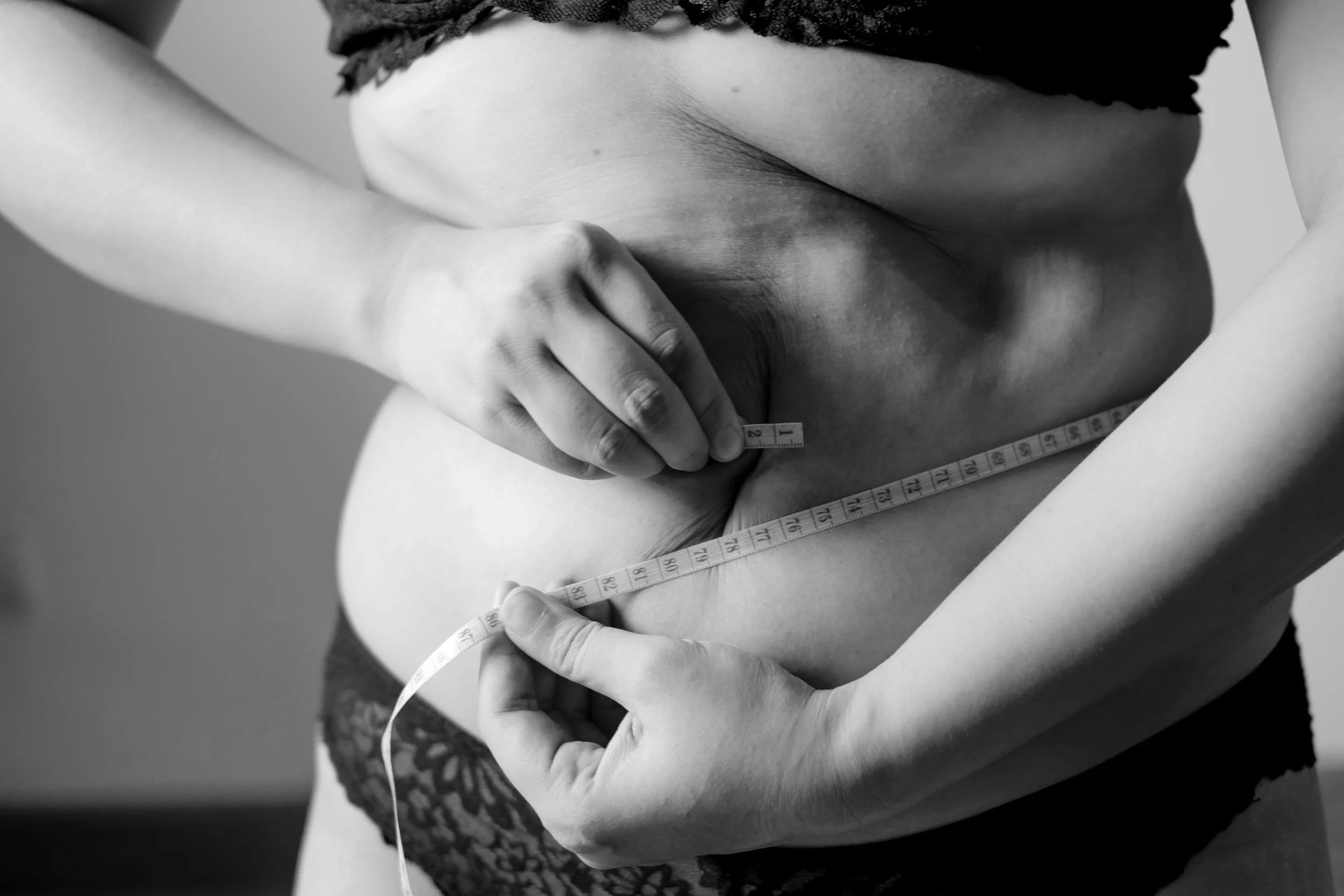
And I get why people ask it.
When you’re uncomfortable in your body, fed up with dieting, or desperate for change, it makes complete sense to want results fast. Most people aren’t just looking for an answer — they’re hoping the answer is a lot.
But here’s the truth most people don’t want to hear:
That mindset — focusing on how much weight you can lose, and how quickly — is often the exact reason you keep having to diet over and over again.
Let me explain why.
Weight Gain Takes Time — So Fat Loss Should Too
Weight doesn’t appear overnight.
It usually creeps on slowly — through stress, life changes, hormonal shifts, emotional eating, busy schedules, or years of inconsistent habits. Yet when it comes time to lose it, we suddenly expect the body to undo all of that in a matter of weeks.
That mismatch alone should be a big red flag.
And more importantly, when we diet aggressively, we don’t just lose fat.
We lose muscle, too.
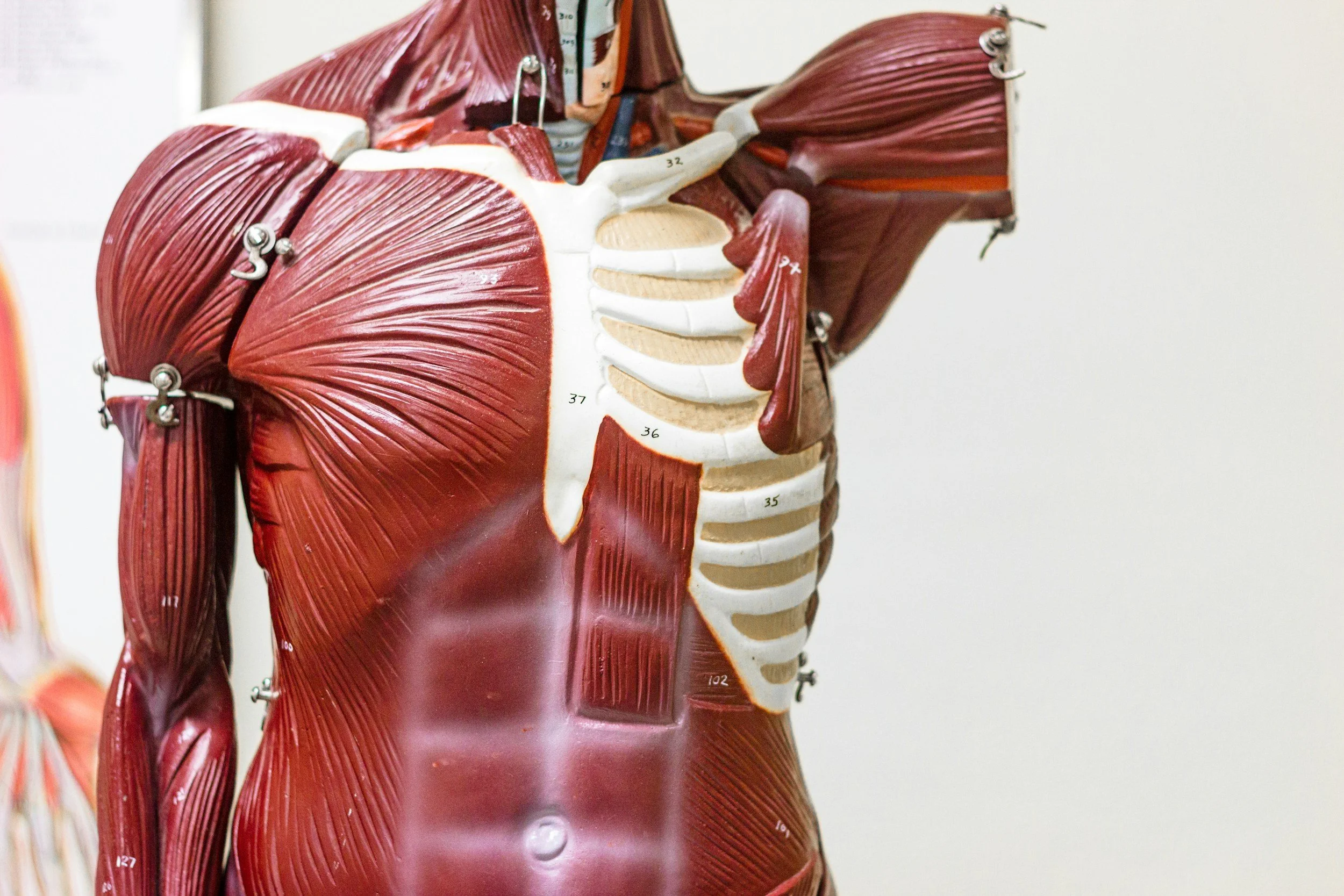
Why Faster Isn’t Better
When weight loss is too rapid, the body responds by breaking down muscle tissue alongside fat. This creates a frustrating and damaging cycle:
You diet hard
You lose weight quickly (including muscle)
You can’t sustain it
You rebound
You regain the weight — often with less muscle than before
Over time, this can lead to a “skinny fat” look. Many people end up with a lower sweight on the scales, but poorer body composition, slower metabolism, and worse results.
This is why a safer, more sustainable guideline is to aim for losing less than 1% of your total body weight per week.
That might not sound very exciting — especially in a world obsessed with before-and-after photos — but when you zoom out and look at the bigger picture, it adds up faster than you think.
And more importantly, it lasts.
The Benefits of Slower, Sustainable Fat Loss
When you slow the process down, a lot of things improve:
Your body has time to adapt
You preserve more muscle
You reduce the risk of loose skin
You protect your metabolism
You don’t have to keep cutting calories lower and lower
Instead of reaching a point where you feel like you “can’t eat anything without gaining weight,” you build a body that can actually handle normal amounts of food again.
You also avoid the classic rebound cycle:
You lose weight quickly.
You feel successful.
You can’t keep it up.
You feel like a failure.
You become ravenous.
You eat everything in sight.
You regain the weight — and then some.
I’ve seen this happen so many times, with so many well-meaning, incredible people who genuinely deserve better than that cycle.
When “Enough Is Enough”
At some point, there has to be a moment where you decide:
“I’m not doing this anymore.”
If you’ve been through the diet-rebound cycle more than once, you already have your answer.
It doesn’t work.
As the saying goes, insanity is doing the same thing over and over again and expecting a different result.
So no, you don’t want to lose as much weight as possible in the next two or three months...
What You Really Want (Even If It Doesn’t Sound Sexy)
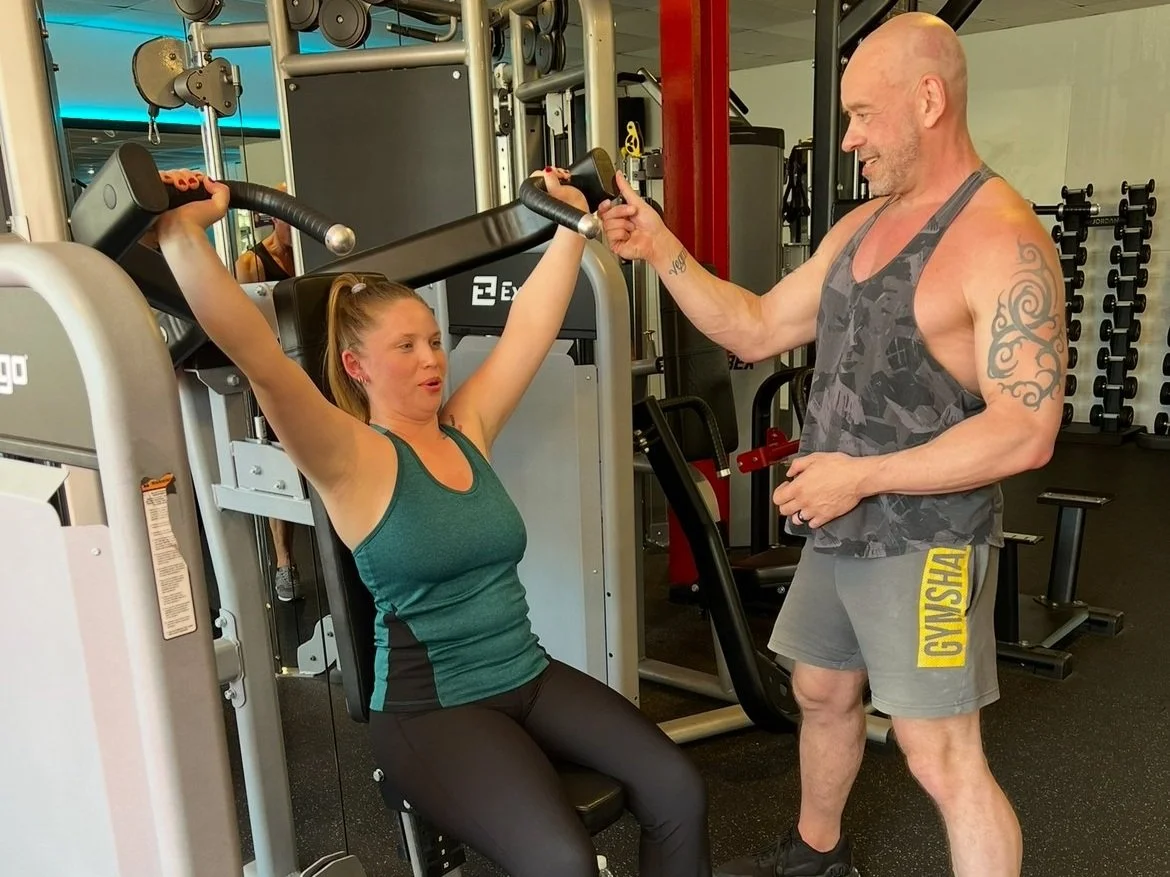
What you need is a fitness and nutrition approach that is:
Sustainable
Enjoyable
Flexible
Aligned with real life
Something you could realistically keep doing not just for 12 weeks — but for years.
Because if you build those, the body you want becomes inevitable.
And more importantly, you’ll be able to stay there.
If you want support with sustainable fat loss — without extremes, rebounds, or burning yourself out — we can help.
We offer 1:1 online coaching services and we would LOVE to work with you! If you’re serious about taking control of your health and fitness, please get in touch and book a free call now.
Have a great week,
Warmly, Paul & Gemma
