We’ve all experienced that dreaded moment at the doctor's surgery: you step on the scales, they calculate a single number based on your height and weight, and suddenly you’re slapped with a label like "overweight" or "obese."
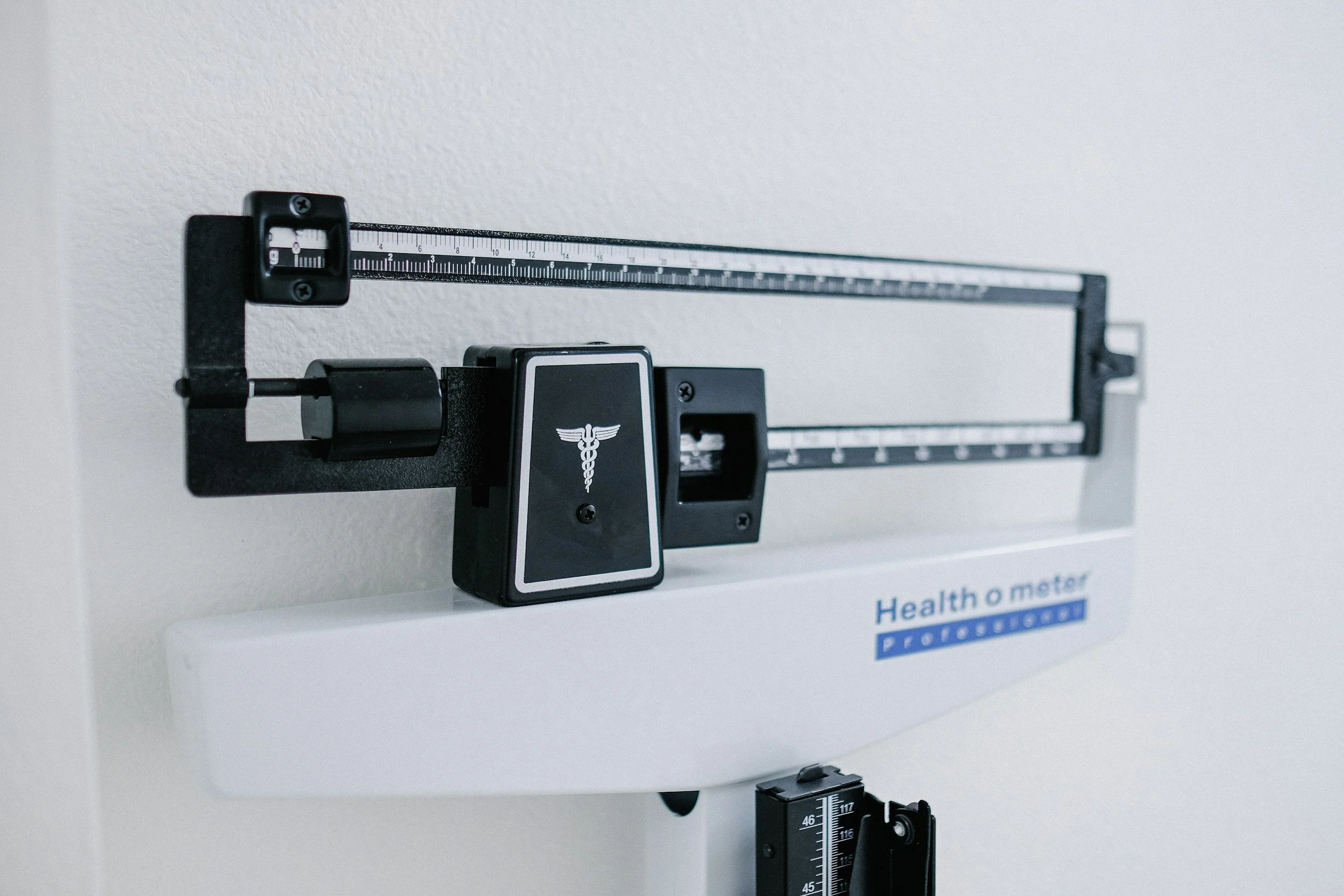
But here’s the thing, when it comes to tracking your health and fat loss progress, BMI is a deeply flawed metric. Here is the science behind why your BMI is lying to you, and the incredibly simple, far more accurate measurement you should be using instead.
🚫 The 4 Major Limitations of BMI
BMI was invented nearly 200 years ago as a quick tool to look at broad populations, not individual health. It uses a basic mathematical formula that divides your weight by your height squared. Because it is so overly simplistic, it completely fails active individuals in four major ways:
1. It Ignores Body Composition
BMI assumes all weight is created equal. It cannot distinguish between 5kg of dense, metabolic, athletic muscle tissue and 5kg of adipose body fat. Because muscle is much denser than fat, someone carrying a fantastic amount of lean muscle mass will often register as "overweight" on a standard BMI chart, even if their body fat percentage is exceptionally low.
2. It Overlooks Fat Distribution
Where you carry your fat matters immensely for your health. Subcutaneous fat (the fat sitting just under your skin) behaves very differently from visceral fat (the dangerous fat stored deep inside your abdomen around your vital organs). BMI only looks at total mass, meaning it cannot tell you if your fat is sitting safely on your hips or dangerously deep inside your midsection.
3. It misses people who are Thin on the Outside, Fat on the Inside
On the flip side, BMI frequently gives sedentary individuals a false sense of security. Someone can have a "perfect" BMI simply because they don't weigh very much, yet internally carry dangerously high levels of visceral fat and very little muscle tissue. BMI completely misses these hidden health risks.
4. It Disregards Framework and Proportions
Human bodies come in all shapes and sizes. BMI doesn't account for natural variations in bone density, frame size, or limb-to-torso proportions, rendering the blanket medical charts highly inaccurate for a massive portion of the population.
📏 The Ultimate Metric: Waist-to-Height Ratio (WHtR)
If BMI is a broken tool, what should you use instead? The answer is the Waist-to-Height Ratio (WHtR).
Science consistently shows that WHtR is a vastly superior predictor of cardiovascular health, metabolic function, and true body composition than BMI. It directly targets the exact area where dangerous visceral fat accumulates: your abdomen.
The best part? It takes less than 60 seconds to check, and you don't even need a set of scales.
How to Calculate Your WHtR:
Measure your height in centimetres or inches.
Measure your waist circumference in the same unit. To do this accurately, place a tape measure halfway between your lowest rib and the top of your hip bone (usually right across your belly button), exhale naturally, and take the reading.
Divide your waist measurement by your height measurement.

🎯 Your Target Number
For optimum metabolic health and to ensure you are in a safe, lean zone, your Waist-to-Height Ratio should be under 0.5.
In simple terms: your waist circumference should always be less than half your height.
If your ratio is under 0.5, you are in the ideal healthy target zone, regardless of what a flawed, outdated BMI chart or a traditional scale says about your weight.
The Takeaway: Ditch the Standard Charts
True physical transformation is about shifting your body composition—gaining lean, healthy muscle and dropping body fat. Because muscle is dense, the scales and BMI charts might barely budge, or they might even tell you that you're going backwards.
Stop letting a 19th-century math equation dictate how you feel about your fitness journey. Put away the standard medical charts, pick up a simple tape measure, track your Waist-to-Height Ratio, and let your real health markers speak for themselves.
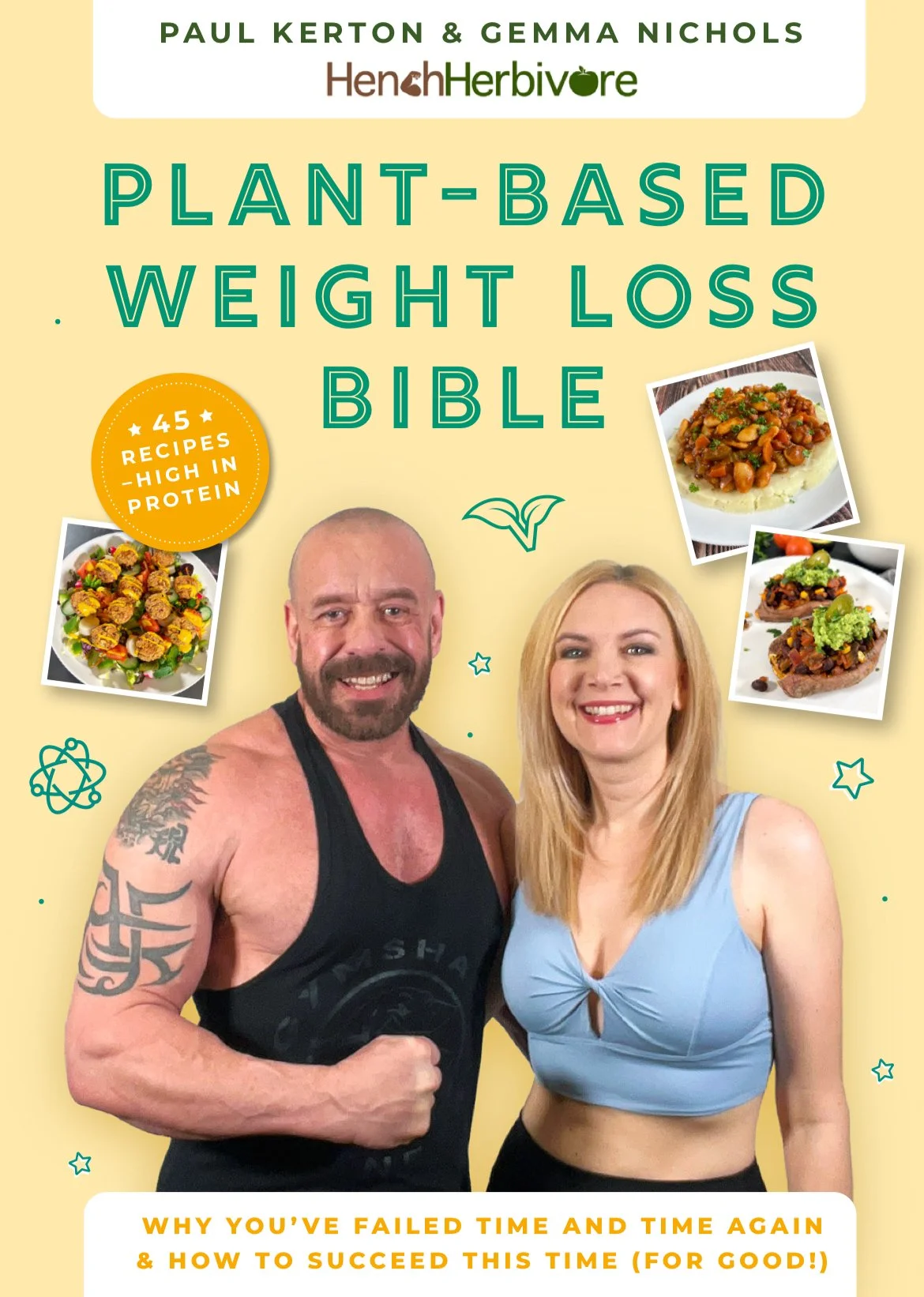
The information in this blog was from our latest book: The Plant-Based Weight Loss Bible
It brings together decades of combined experience and knowledge, covering every key element needed not only to optimise your weight loss, but to maintain results long term.
This is a practical, evidence-based guide to losing fat in a way that’s realistic, nourishing, and sustainable.
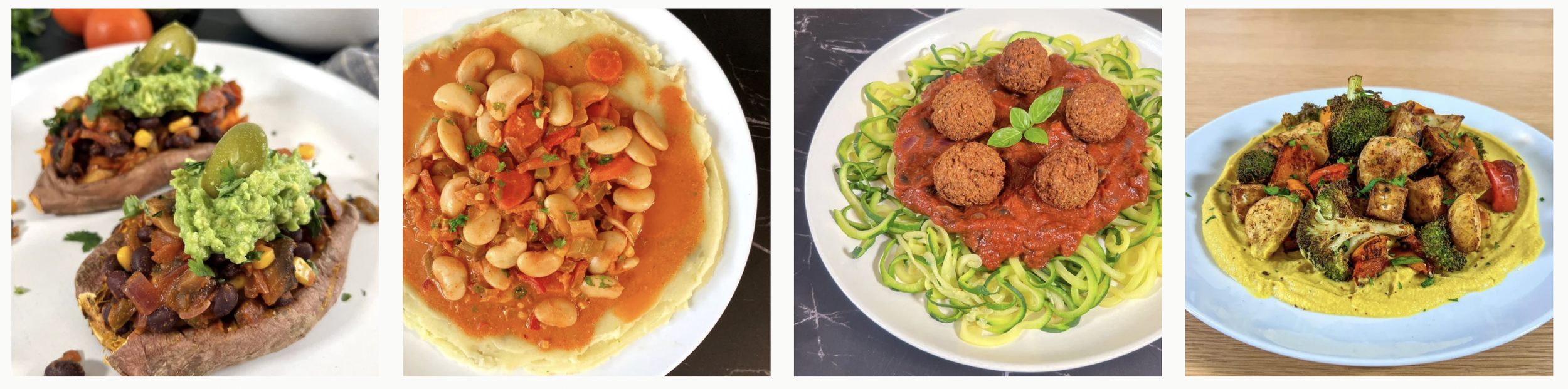
The book also includes 45 delicious, completely guilt-free, oil-free, high-protein, whole-food, plant-based recipes, designed to help you feel full, satisfied, and supported.
We also offer 1:1 online coaching services, and we would LOVE to work with you! If you’re serious about taking control of your health and fitness, please APPLY HERE.
Warmly,
Paul & Gemma
Hench Herbivore
