Why Less Shut-Eye Makes You Crave Junk Food
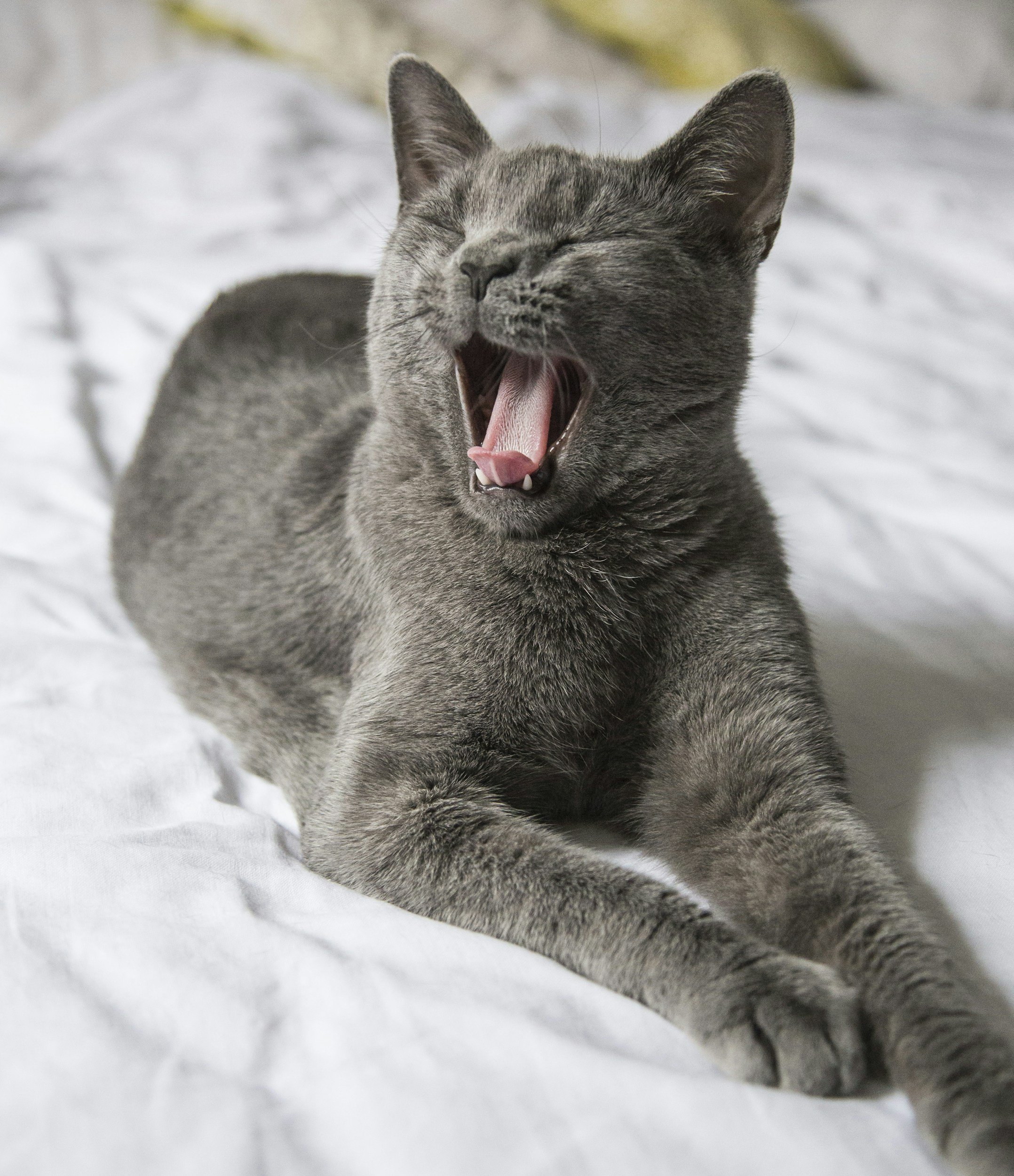
We’ve all been there. You have a terrible night of tossing and turning, and by 10:00 AM the next day, your willpower is non-existent. Instead of the healthy, nourishing breakfast you planned, your brain is screaming for pastries, crisps (chips), or a massive sugary coffee.
When we struggle with fat loss, we almost always point the finger at our diet or our training routine. But there is a silent saboteur that many of us completely overlook: sleep deprivation.
If you are chronically getting less than seven to eight hours of quality shut-eye, you are fighting a losing battle against your own biology. Here is the fascinating science of how poor sleep hijacks your fat loss goals—and exactly how you can fix it.
🧬 The Hormone Hijack: Ghrelin vs. Leptin
Your body relies on a delicate balance of hormones to regulate your appetite and tell you when you're full. When you don't sleep enough, that balance is completely shattered.
Specifically, sleep deprivation disrupts two primary hunger hormones:
Ghrelin (The "Feed Me" Hormone): Ghrelin is produced in your stomach and signals your brain that it’s time to eat. When you are sleep-deprived, your ghrelin levels spike dramatically.
Leptin (The "I'm Full" Hormone): Leptin is produced by your fat cells and tells your brain that you have plenty of energy stored and can stop eating. A lack of sleep causes your leptin levels to plummet.
The Reality Check: Just two consecutive nights of poor sleep are enough to trigger this hormonal chaos. You wake up with a biological engine driving you to overeat, making willpower practically useless
🧠 Why Your Brain Colds-Calls Ultra-Processed Junk Food
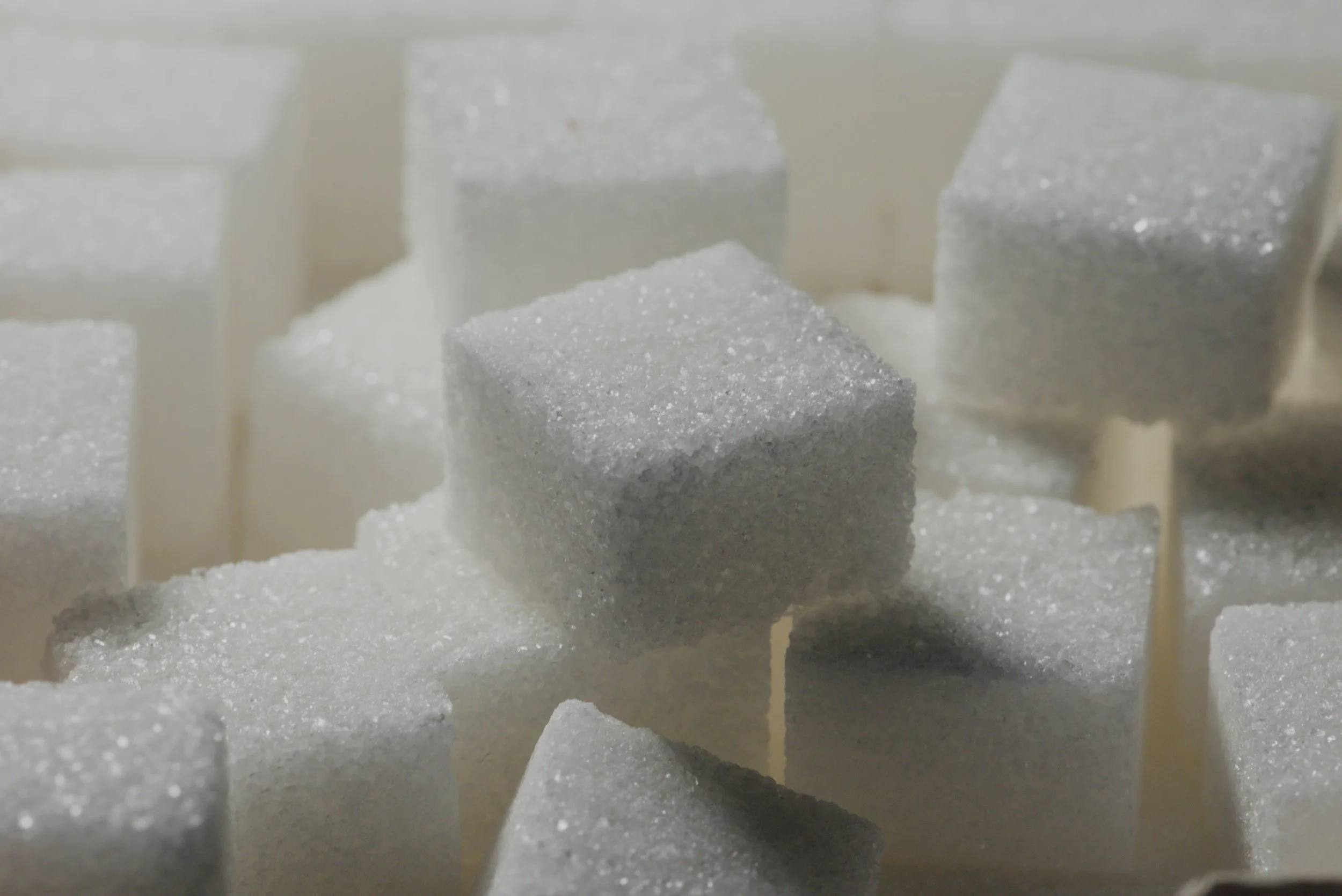
It’s not just that you feel hungrier when you’re tired; it’s that your brain specifically craves hyper-palatable, calorie-dense foods.
When you are exhausted, your prefrontal cortex (the logical, decision-making part of your brain) goes offline. Meanwhile, the deeper, more primitive reward centres of your brain light up. Your body is tired, so it searches for the fastest, most concentrated source of energy available to keep you awake: sugar, simple carbohydrates, and fats.
You don't crave a big bowl of steamed broccoli and lentils when you're exhausted; your biology demands the immediate energy hit of processed junk.
🌋 The Cortisol and Insulin Chaos
The damage of a bad night's sleep goes far beyond cravings. It alters how your body processes nutrients at a cellular level:
1. Elevated Cortisol (The Belly Fat Magnet)
A lack of sleep is a massive physical stressor, which causes your body to pump out excess cortisol (the primary stress hormone). Elevated cortisol encourages your body to hold onto energy reserves, particularly targeting visceral fat—the dangerous fat stored around your midsection and vital organs.
2. Sudden Insulin Resistance
When you are chronically tired, your cells become less responsive to insulin. Instead of efficiently clearing glucose (sugar) from your bloodstream and sending it to your muscles for fuel, your body leaves it circulating, which ultimately promotes fat storage and triggers further energy crashes.
3. A Disrupted Gut Microbiome
Emerging science shows that poor sleep negatively alters the balance of bacteria in your gut. A compromised microbiome can impair your digestion, increase systemic inflammation, and even influence your metabolism and mood.
🛠️ The Sleep-First Action Plan
If you want to maximise your fat loss and stop fighting intense cravings every day, you have to treat your sleep with the same respect you treat your meal prep. Here are four non-negotiable sleep habits to start practising tonight:
Set a Digital Sunset: Your smartphone, TV, and tablet screens emit blue light that tricks your brain into thinking it’s still daytime, suppressing the sleep hormone melatonin. Turn off all electronic screens at least 60 minutes before bed.
Keep it Cool and Dark: Your body temperature needs to drop slightly to initiate deep sleep. Keep your bedroom cool, and invest in blackout curtains or an eye mask to eliminate ambient light.
Limit Caffeine and Alcohol: Even if you can fall asleep with a nightcap or a late-afternoon coffee, both substances severely disrupt your REM and deep sleep cycles, leaving you feeling chemically exhausted the next day.
Establish a Wind-Down Routine: Give your nervous system time to transition out of "fight-or-flight" mode. Read a fiction book, practice gentle stretching, or try a five-minute mindfulness protocol before turning out the lights.
🧘 Key Takeaway
Fat loss is not just a mathematical equation of calories in versus calories out; it is a hormonal game.
Eating a clean, whole-food, plant-based diet and lifting weights are incredible tools, but sleep is the foundation that holds them both up. Stop punishing yourself for having a “lack of willpower" on days you are exhausted. Prioritise your 7 to 8 hours of sleep, get your hormones back on your side, and watch how much easier your fitness journey becomes.
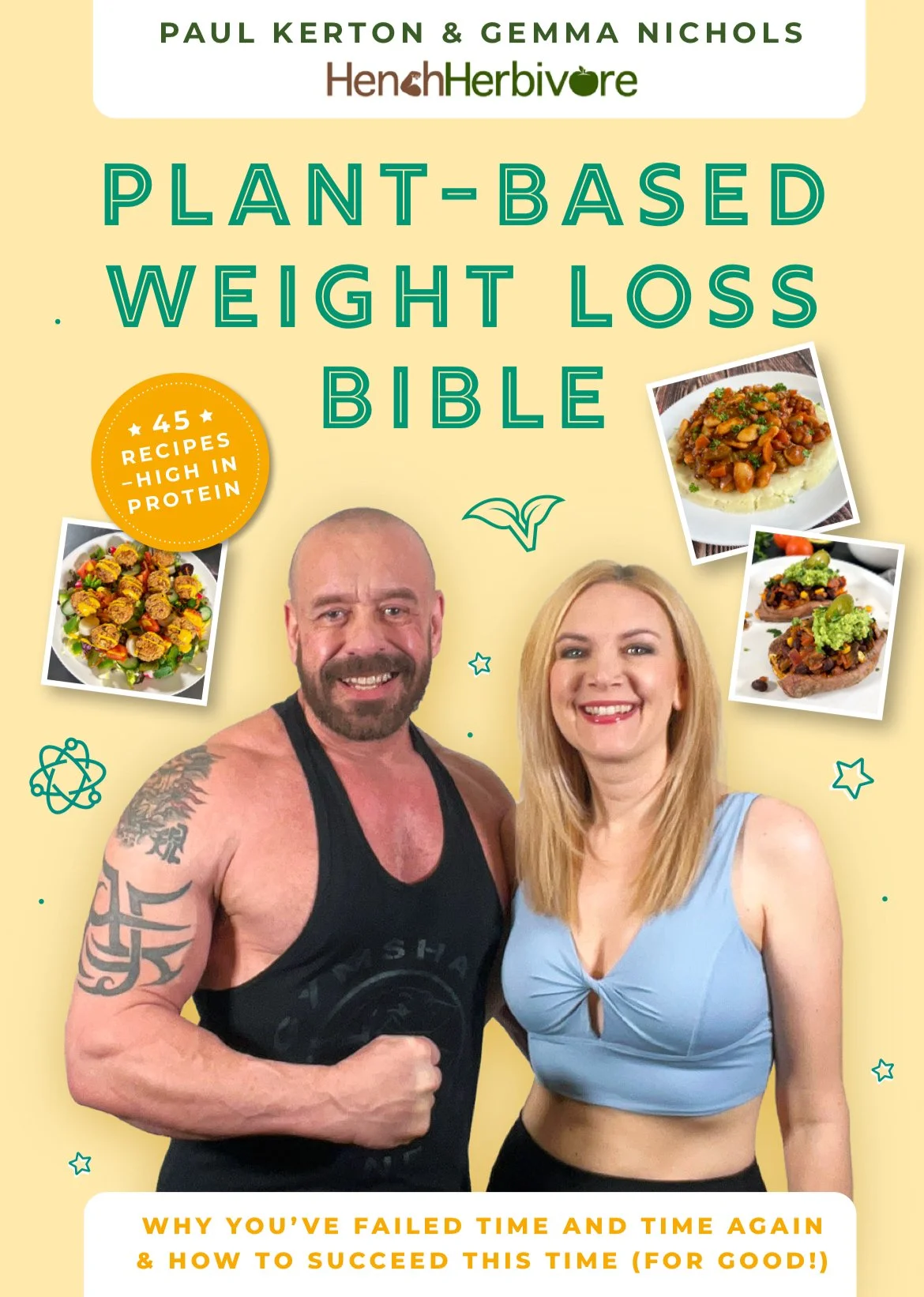
This vital information (and so much more) is from our latest book, “Plant-Based Weight Loss Bible”.
This is a practical, evidence-based guide to losing fat in a way that’s realistic, nourishing, and sustainable. It covers:
The science of how weight loss actually works
The psychological and emotional factors that can derail progress
45 mouth watering recipes
Want to work 1-2-1 with us for the next 12 weeks so we can help you to smash your health and fitness goals?
Apply now and let’s make your dreams a reality!
To your health & fitness
Warmly,
Paul & Gemma
Hench Herbivore
